

5 Ways Sports Medicine in Podiatry Helps You Recover

October 12, 2026

Sports medicine in podiatry helps athletes and active adults recover from foot and ankle injuries through accurate diagnosis, personalized treatment, rehabilitation, and prevention. A podiatrist can address pain, swelling, instability, and movement problems while creating a safe plan to restore strength and help you return to activity with less risk of reinjury.

Podiatrist assessing an athlete’s ankle during a sports medicine evaluation

What does sports medicine in podiatry treat?

Sports medicine in podiatry focuses on injuries and conditions affecting the foot, ankle, and lower leg. These problems can develop suddenly during a game or gradually from repetitive stress, improper footwear, training errors, or biomechanical imbalances.

Common concerns include:

  • Ankle sprains and ligament injuries
  • Stress fractures and other fractures
  • Tendonitis, including Achilles tendon irritation
  • Plantar fasciitis and heel pain
  • Running-related overuse injuries
  • Foot and ankle arthritis or instability

A podiatrist evaluates more than the painful area. They consider your walking pattern, strength, flexibility, footwear, training schedule, previous injuries, and activity goals. This broader assessment helps identify why the injury occurred and how to reduce the chance it returns.

For sudden ankle pain, swelling, or instability, review our ankle sprains care information. For suspected broken bones, our fracture care page explains how evaluation and treatment may help.

How can a podiatrist help you recover from a sports injury?

1. Accurate diagnosis

Recovery begins with understanding the injury. Your podiatrist may perform a physical examination and use imaging or other diagnostic tools when appropriate. Identifying the affected bone, joint, tendon, ligament, or muscle guides treatment and prevents you from returning to activity too soon.

A diagnosis also helps distinguish similar symptoms. Heel pain, for example, may result from plantar fascia irritation, a stress injury, tendon problems, or another condition. Each requires a different approach.

2. Personalized treatment

Treatment depends on the injury’s severity, your health, your sport, and your goals. Options may include activity modification, medication recommendations, bracing, orthotics, immobilization, or referral for additional care. Some injuries respond well to conservative treatment, while others may require surgical evaluation.

The goal is not simply to reduce pain temporarily. It is to restore useful function while protecting the injured tissue as it heals.

3. Guided rehabilitation

Rehabilitation helps you regain mobility, balance, strength, and confidence. Your care plan may include therapeutic exercises or coordination with physical therapy. Progress is typically based on function rather than a fixed calendar date.

A gradual recovery plan may include:

  1. Controlling pain and swelling
  2. Restoring comfortable range of motion
  3. Rebuilding strength and balance
  4. Practicing sport-specific movements
  5. Returning to training in stages
Athlete performing guided lower-leg rehabilitation exercises

When can you return to sports after a foot or ankle injury?

There is no universal return-to-sport timeline. The right time depends on the injury, symptoms, physical findings, and your ability to perform necessary movements safely. Returning because the pain has briefly improved can leave an injury vulnerable.

Before resuming full activity, you may need to demonstrate that you can:

  • Walk and climb stairs without significant pain
  • Move the foot and ankle through an appropriate range
  • Balance on the affected side
  • Jog, change direction, and jump without worsening symptoms
  • Complete sport-specific drills with confidence

A staged return often begins with low-impact activity, followed by practice at reduced intensity, then normal training and competition. If pain, swelling, limping, or instability returns, reduce activity and contact your care team.

Prevention strategies for active feet

Sports medicine also helps prevent future injuries. Small changes can reduce repeated stress and improve how your feet and ankles handle activity.

Consider these habits:

  • Increase training volume gradually rather than making sudden changes.
  • Wear activity-appropriate shoes that fit well and are replaced when worn.
  • Warm up before demanding exercise and cool down afterward.
  • Strengthen the calves, feet, ankles, hips, and core as recommended.
  • Address recurring pain instead of repeatedly training through it.

Custom orthotics or supportive devices may be useful when alignment or mechanics contribute to symptoms. A podiatrist can determine whether they are appropriate for your specific needs.

Which symptoms need prompt evaluation?

Seek podiatric evaluation when pain limits normal walking, swelling persists, an injury keeps recurring, or symptoms do not improve with reasonable rest. Prompt care is especially important after a fall, collision, twisting injury, or sudden “pop.”

Contact a medical professional promptly for severe pain, obvious deformity, inability to bear weight, numbness, unusual skin color, or rapidly increasing swelling. People with diabetes should also take foot injuries seriously and seek guidance early; our page on diabetes and your feet offers additional preventive information.

Do not rely on pain alone to judge severity. Some stress injuries and tendon problems can worsen while symptoms remain manageable during everyday activities.

Runner choosing supportive footwear for injury prevention

What should you expect at a sports podiatry visit?

Your visit may begin with questions about when symptoms started, what activity caused them, and how the problem affects work, exercise, or daily life. The podiatrist will examine your foot and ankle and may assess walking, balance, range of motion, and strength.

Bring information about previous injuries, current medications, athletic activities, and shoes you commonly wear. If imaging or follow-up care is needed, your provider will explain the next steps. The purpose is to create a clear plan you can understand and follow.

You can learn more about available services or request an appointment through the contact page .

Key takeaways

Sports medicine in podiatry supports recovery by combining diagnosis, individualized treatment, rehabilitation, and injury prevention. It can help with ankle sprains, stress injuries, tendon problems, heel pain, and other conditions that interfere with active living. The safest next step is to have persistent or significant symptoms evaluated instead of continuing to train through them. Follow the recommended progression, use appropriate footwear, and return to sports only when strength, movement, and sport-specific function have adequately recovered.

A podiatrist holding a custom-made foot orthotic insert in a modern medical office.
July 21, 2026
Learn the top benefits of custom orthotics for foot pain, posture, and mobility. Discover why personalized inserts are a game-changer for long-term wellness in Cincinnati.

Feet on a sunny beach during summer.
June 18, 2026
Learn essential summer foot care tips to keep your feet healthy, dry, and pain-free during the hot weather. From preventing athlete's foot to choosing the right sandals.

By VIV Builder • April 9, 2026
Keep your feet healthy and pain-free this Foot Health Awareness Month. Learn about heel pain, orthotics, diabetic care, and injury treatment to stay active.

By VIV Builder • March 17, 2026
Achilles tendonitis can cause heel pain and stiffness that worsens over time. Learn the symptoms, causes, and how podiatry care can help you recover and stay active.

By VIV Builder • March 1, 2026
Ingrown toenails can quickly become painful if left untreated. Learn causes, symptoms, and how podiatry care can provide safe, effective relief and prevention.
By VIV Builder • February 19, 2026
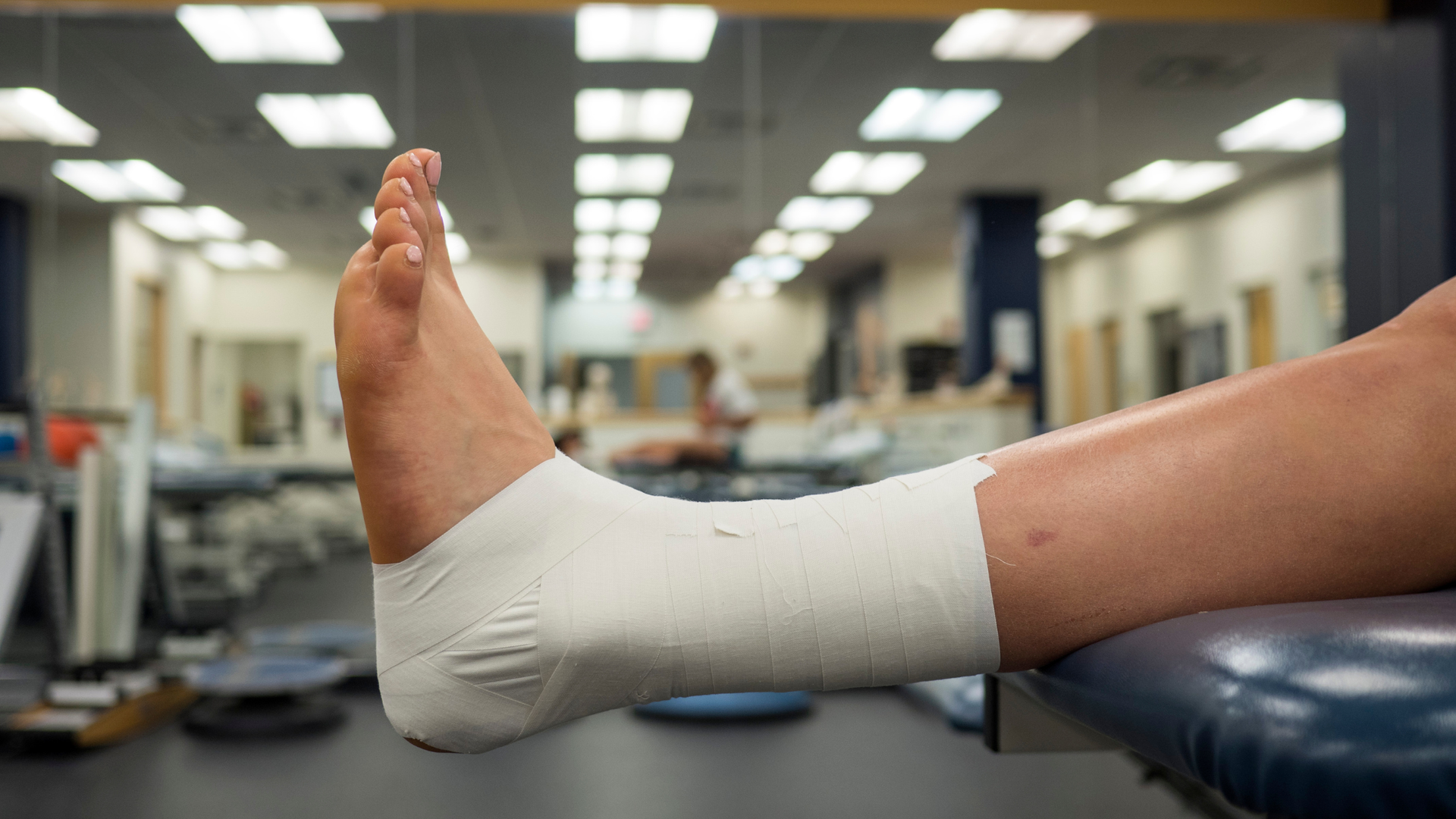
Don’t ignore an ankle sprain. Learn symptoms, causes, and why early treatment is key to preventing long-term pain and instability with expert podiatry care.
By VIV Builder • February 5, 2026
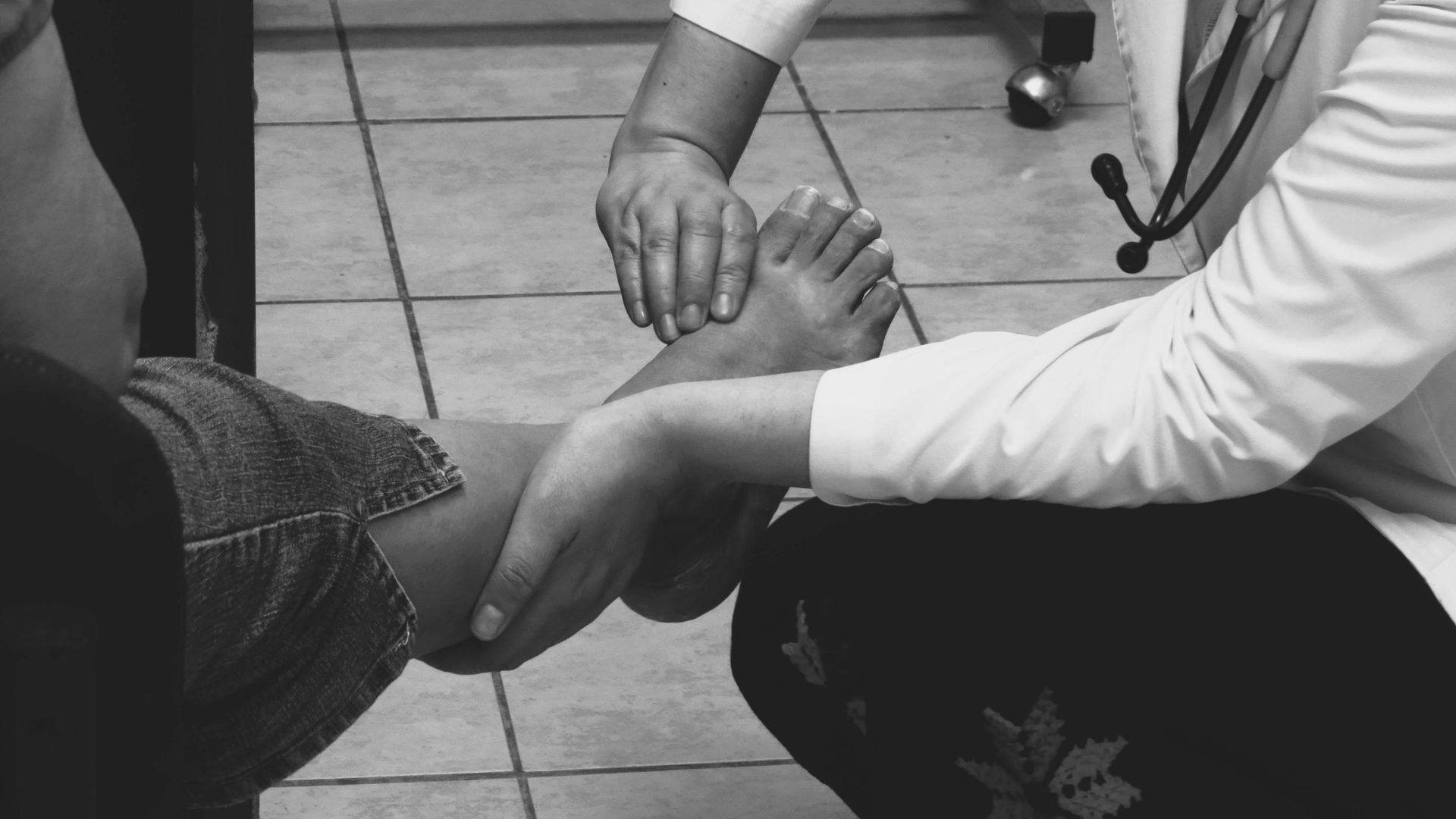
Show your feet some love this February. Learn about common foot problems like heel pain, ingrown toenails, and diabetic foot care, and how podiatry treatment can help.

By VIV Builder • January 23, 2026
Learn what a podiatrist does and how they can help treat foot and ankle conditions. Discover when to seek care and how to stay active, pain-free, and healthy.

By VIV Builder • January 9, 2026
Start the new year pain-free by addressing heel pain early. Learn common causes like plantar fasciitis and how podiatry care can help you stay active and comfortable.

By VIV Builder • December 18, 2025
Start 2026 on the right foot with expert podiatry care. Learn how to prevent foot pain, improve mobility, and stay active with comprehensive exams and treatment options.

Show More